Thousands of merchants are eliminating processing costs right now — not by switching processors or negotiating rates, but by using one of three compliant programs that shift the cost of card acceptance back to where it belongs.
It's not a loophole. It's not a gimmick. It's how smart businesses protect their margins.
Every time a customer swipes a card, your processor charges you a percentage of the sale — typically between 1.5% and 3.5%. On $50,000 a month in volume, that's $1,500–$1,750 gone before you pay a single bill.
Card networks like Visa and Mastercard have always allowed merchants to offset these costs. Most business owners just don't know it — or weren't told.
There are three main ways to do it. Here's what each one means in plain English.
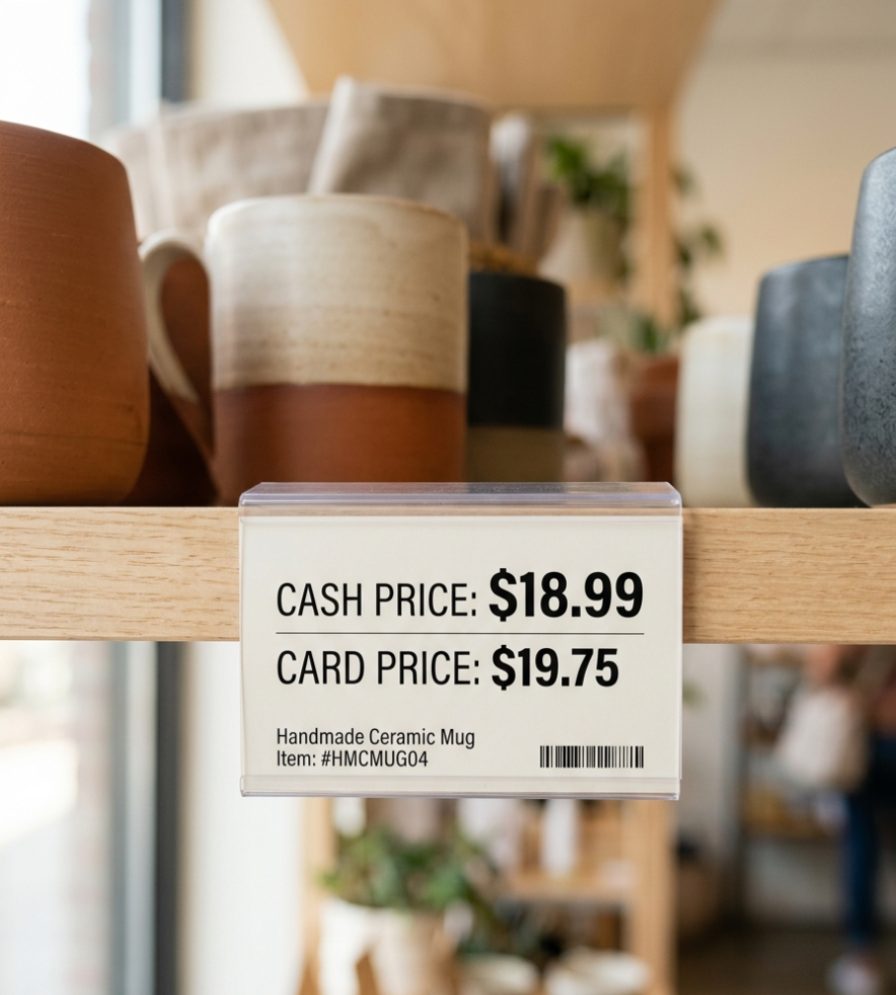
Show two prices. Let customers choose.
You display two prices for everything you sell — a cash price and a card price. The card price is slightly higher and covers your processing cost. Customers see both prices upfront and choose how they want to pay. No surprises at checkout.
Best for: Restaurants, retail, auto repair, any business with posted prices
Get My Free Savings Analysis →One price. Card users pay a small fee at checkout.
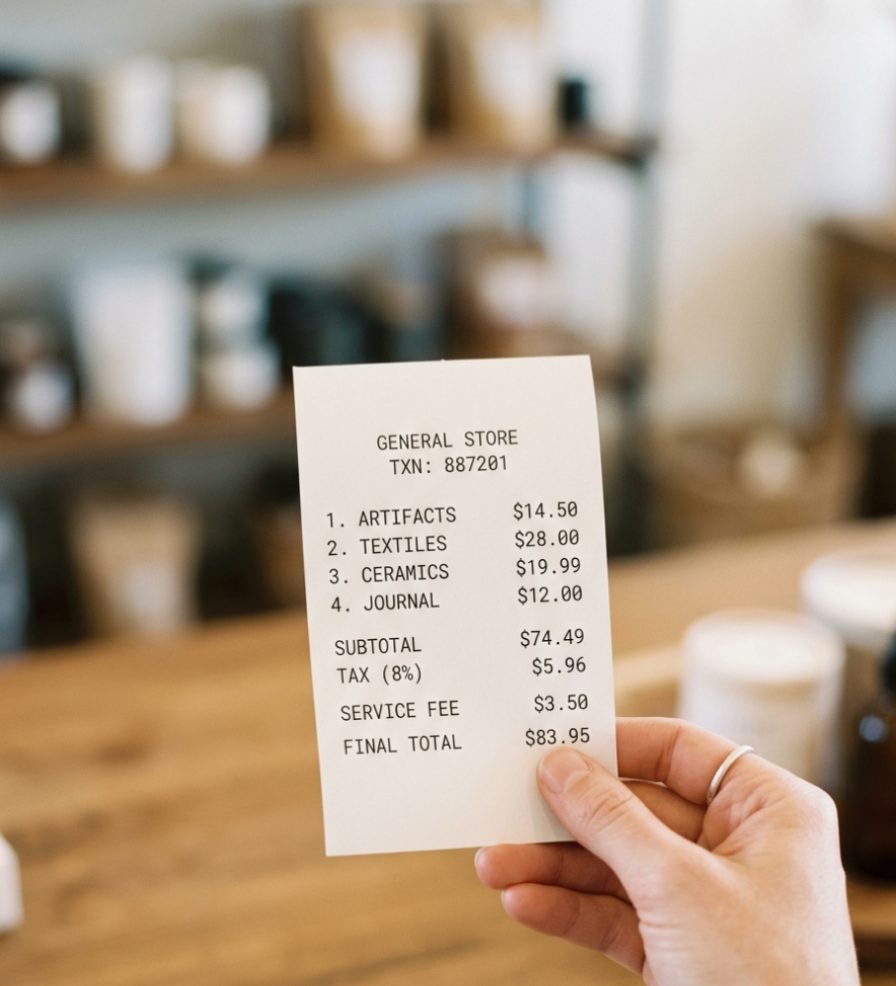
You keep one posted price. When a customer pays by credit card, a fee — typically 3% — is added at checkout and shown as a line item on the receipt. Cash and debit card customers pay the original price.
Best for: Legal, dental, medical, HVAC, professional services, B2B
Get My Free Savings Analysis →
Reward customers who pay with cash.
You post your card price as the standard price, then offer a discount to customers who pay with cash. The end result is similar to dual pricing, but the framing is different — you're rewarding cash rather than charging for cards.
Best for: Convenience stores, gas stations, quick service restaurants
Get My Free Savings Analysis →| Dual Pricing | Surcharging | Cash Discount | |
|---|---|---|---|
| Legal in all 50 states | ✓ Yes | ⚠ Some restrictions | ✓ Yes |
| Works on debit cards | ✓ Yes | ✕ Never | ✓ Yes |
| Network registration required | ✕ No | ⚠ 30-day notice | ✕ No |
| Fee cap | None | 3% | None |
| Customer perception | High transparency | Can feel like a penalty | Positive framing |
| Best environment | Any | Professional / B2B | High-volume retail |
The single most common error is applying a surcharge to a debit card transaction. This violates federal law under the Durbin Amendment and can result in immediate termination of your merchant account.
The fix is simple — use a properly configured terminal that automatically detects card type and applies the right pricing. That's exactly what we set up for every FeeSlicers merchant.
That's the most common question we get — and the honest answer is it depends on your business type, your customer base, and how your POS is set up. There's no one-size-fits-all answer.
What we do know is this: one of these three options will work for your business. And whichever one it is, you should be using it. Every month you're not is money you're not getting back.