Dental and medical practices run on tight margins that most patients never see. Between insurance reimbursements that take 30-90 days, rising supply costs, and overhead that never stops, the last thing you need is 2.5% to 3.5% of every card payment disappearing into processing fees.
A practice collecting $80,000 a month in card payments is giving away over $2,300. That's a new dental chair every quarter. That's an extra hygienist for the summer.
Most dental and medical offices don't operate like a retail counter. Patients schedule appointments, receive treatment, and pay after, often at a billing window or through a patient portal. That's an invoice-based workflow, and surcharging slots right into it.
When a patient pays with a credit card, a clearly disclosed fee (typically around 3%) gets added. Patients who pay by cash, check, or debit pay the original amount. It shows up as a line item on their receipt, the same way a lab fee or materials charge does.
Nobody argues with a $12 surcharge on a $400 crown, especially when the alternative is a discount for paying with cash or check, which many patients prefer anyway.
For practices that prefer showing both prices upfront instead of adding a surcharge at checkout, dual pricing works too. We'll configure whichever approach fits your front desk workflow.
| Monthly Card Volume | Current Fees (at 2.9%) | Monthly Savings | Annual Savings |
|---|---|---|---|
| $30,000 | $870 | ~$827 | ~$9,920 |
| $60,000 | $1,740 | ~$1,653 | ~$19,836 |
| $100,000 | $2,900 | ~$2,755 | ~$33,060 |
Savings reflect ~95% recovery rate accounting for cash, check, and debit payments.
Every statement your office sends already has line items — procedure codes, copays, adjustments, lab fees. A processing fee or cash/card price difference fits naturally into that format. It's not surprising in context.
A $15 surcharge on a $500 procedure is barely noticed by the patient. But across hundreds of patients a month, those surcharges represent tens of thousands of dollars staying in your practice instead of going to Visa.
After their first visit, the payment process is familiar. There's nothing to re-explain. Your front desk staff handles it once, and it becomes routine.
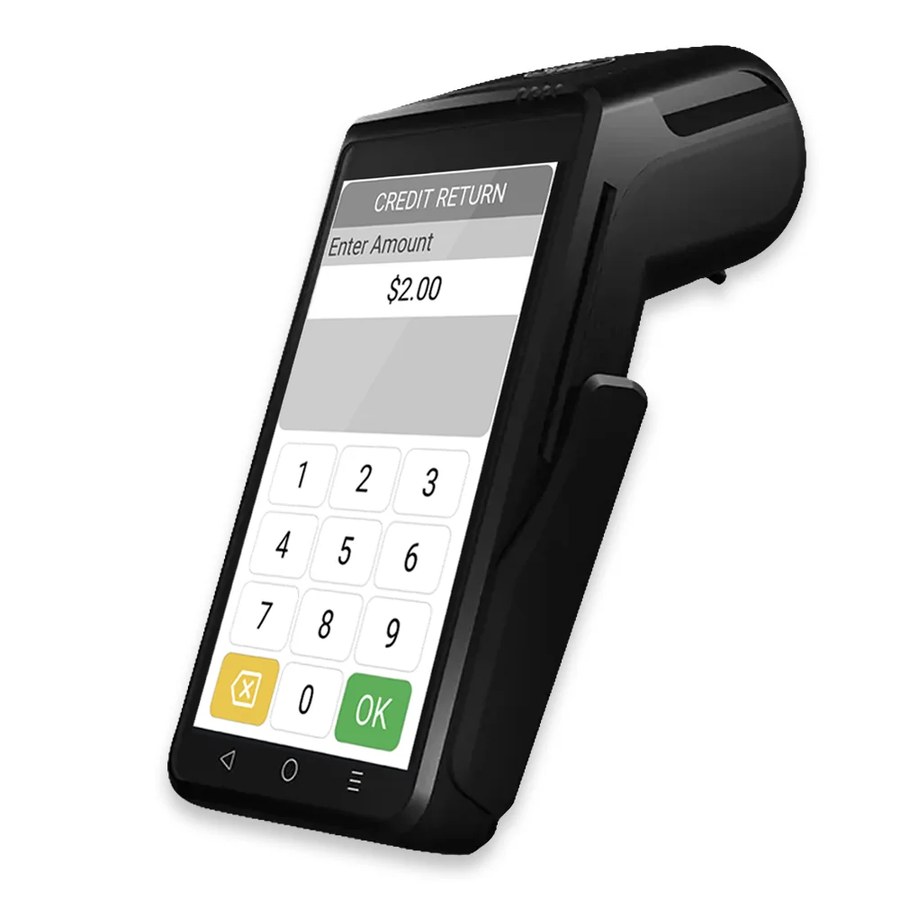
The QD4 fits neatly at your checkout window without cluttering the counter. Full dual pricing and surcharging support, built-in printer, tips and tax calculation. Simple enough that any staff member can run it with no training.
Sits alongside your practice management system — Dentrix, Eaglesoft, Open Dental, Kareo, whatever you're running. The terminal handles the card payment; your software handles everything else.
Most practices qualify for a QD4 at no upfront cost through our free terminal program.
See If You Qualify →For practices that bill remotely or take payments over the phone: our virtual terminal lets you key in payments from any computer. Good for collecting balances, payment plans, or processing cards for patients who call in.
Rarely. Think about it from their side, patients choose a dental or medical practice for the quality of care, not the payment method. A $9 fee on a $300 filling doesn't change anyone's decision about where to get treatment. And patients who prefer to avoid it simply pay with cash, check, or debit.
Surcharging and dual pricing are payment processing methods, they don't touch patient health information, insurance claims, or billing codes. Your practice management system handles the clinical and insurance side. The terminal handles the card payment. They're separate workflows.
Insurance payments come as checks or EFTs, processing fees don't apply. Surcharging or dual pricing only applies to the patient-responsibility portion paid by card. For copays, the same rules apply as any other card transaction.
If your portal processes payments through a gateway, we can potentially configure surcharging on that gateway. We'll look at your specific setup during the analysis. For in-office payments, the standalone terminal handles everything.
We were processing about $65K a month in patient payments by card and just absorbing the fees. George explained surcharging, we had it running in less than a week, and maybe two patients out of hundreds have even mentioned it.
The QD4 sits right at our checkout window. Staff picked it up in five minutes. Patients either pay the card price or write a check. Simple.
Free analysis. Real numbers. If it doesn't make sense for your practice, George will tell you.